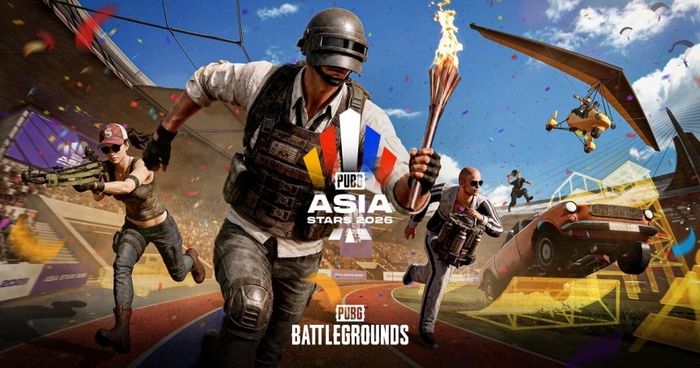
A controversy involving Vietnamese players accused of stream sniping at PUBG Asia Stars 2026 escalated into a complete boycott by the South Korean team and the early termination of the tournament. The incident also raised questions about organizer KRAFTON's initial response, competitive integrity, and the consistency of its tournament management.
An International Event Involving Six Asian Regions
PUBG Asia Stars 2026 brought together professional players and content creators from South Korea, China, Japan, Thailand, Taiwan, and Vietnam. Each region was represented by eight participants, bringing the total number of competitors to 48.
The tournament was scheduled to take place from September 17 to 20, 2026. However, allegations of misconduct involving Vietnamese participants emerged on the opening day, disrupting the event.
Vietnamese Players Accused of Using External Information
The controversy centered on two Vietnamese participants, HIMASS and TANVUU.
During the opening day of competition, footage emerged showing a Vietnamese participant looking at a separate monitor before placing an in-game marker. This raised suspicions that the player had obtained information about the opposing team's position through an external broadcast.
Stream sniping refers to watching another player's live broadcast to obtain information that would not normally be available during gameplay, such as an opponent's location or movements.
In a battle royale game such as PUBG, where positional information can significantly affect the outcome of a match, using external information can undermine competitive fairness.
KRAFTON subsequently acknowledged that the two Vietnamese participants had accessed external information through personal broadcasts during the competition. Further investigation identified evidence of violations involving the use of external information and stream sniping.
South Korean Team Boycotts the Tournament
Following the allegations, South Korean participants requested an investigation and appropriate action from the organizers.
KRAFTON initially announced measures including adjustments to the player lineup, broadcast delays, and enhanced monitoring. However, criticism continued over what some participants considered an insufficient explanation of the misconduct and the disciplinary measures being taken.
Eventually, all eight South Korean representatives announced that they would withdraw from the tournament.
Their objections concerned not only the alleged misconduct itself but also the organizers' handling of the situation.
Inconsistent Announcements Spark Further Controversy
The controversy expanded to include KRAFTON's communication with participants and audiences in different countries.
Questions were raised about whether the reasons behind the South Korean team's withdrawal had been adequately communicated. Differences between the Korean-language and Vietnamese-language announcements also became a source of criticism.
KRAFTON later acknowledged problems in its communication and issued an apology.
The controversy also spread beyond the tournament, with online harassment and inappropriate comments directed at certain participants, including female competitors.
KRAFTON Announces Disciplinary Measures and Cancels the Final Day
On September 20, KRAFTON officially confirmed that HIMASS and TANVUU had accessed external information during the competition and barred them from participating in the remaining matches.
The company also revoked their PUBG Vietnam partner status and initiated additional disciplinary procedures.
As the South Korean team's boycott and concerns about tournament management continued, the remaining matches scheduled for September 20 were canceled.
Consequently, no final tournament standings were established, and the prize money was to be distributed equally among the participating regions.
A Controversy That Raised Questions About Tournament Integrity
What began as allegations of misconduct involving individual players developed into a broader controversy surrounding competitive integrity, the organizers' initial response, and communication with participants from different countries.
KRAFTON apologized for shortcomings in maintaining competitive fairness, delays in its investigation and announcements, and problems in the tournament's management.
PUBG Asia Stars 2026, originally intended to promote competition and interaction among six Asian regions, ultimately concluded without determining a final champion.
The incident highlights the importance of clear anti-cheating regulations, consistent disciplinary standards, transparent communication, and prompt responses to misconduct in international esports competitions.
Anonymous comments